January 8-10, 2027
 Greater Noida, India




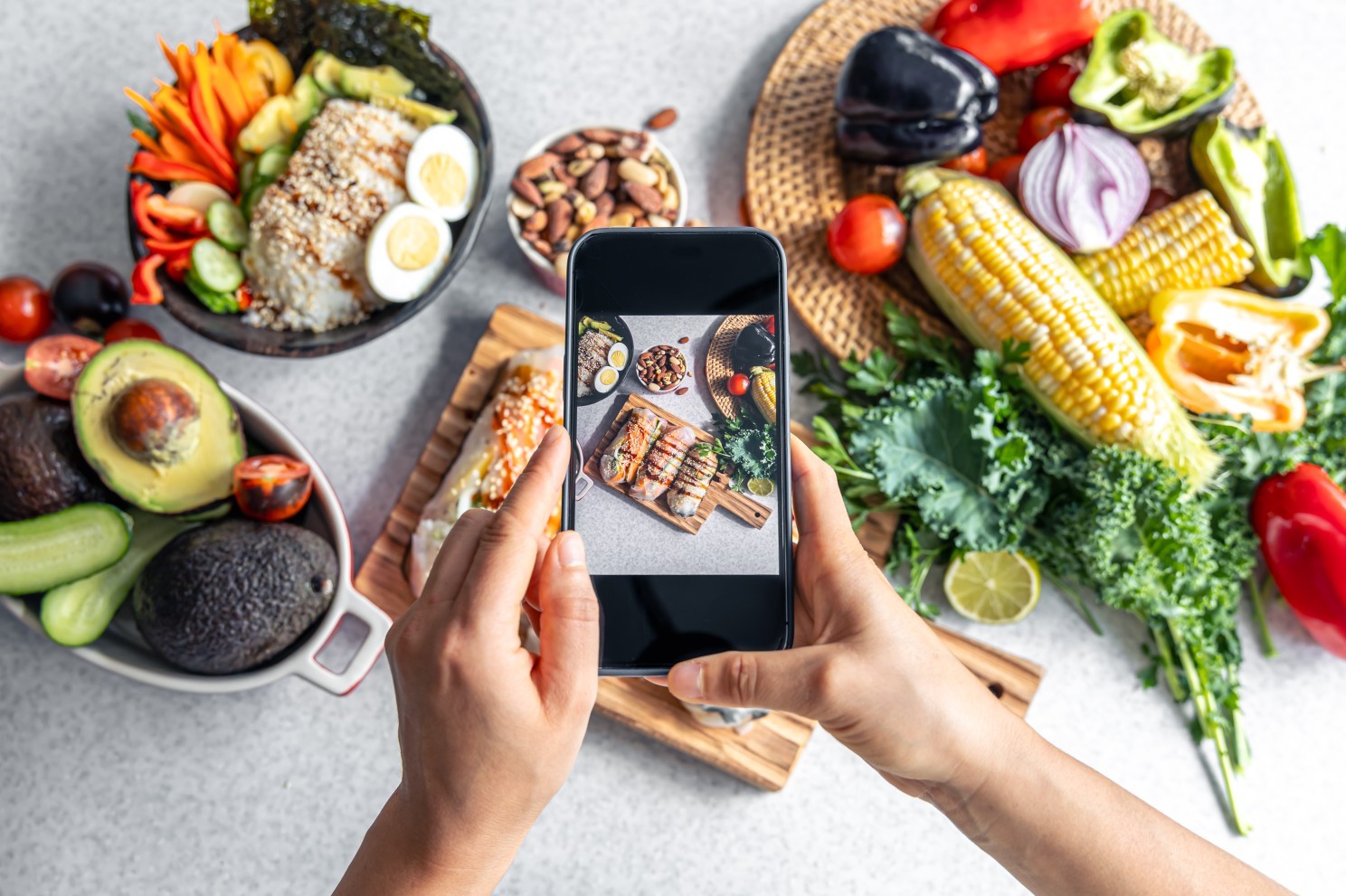
They say you are what you eat, but in 2025, what we eat is reshaping who we are and where the world's food industry is headed. As consumers grow restless with empty indulgence, the future of food is being rewritten in labs, farms, and kitchens around the world. Oils that lower fat absorption, snacks made from ancient grains, desserts that satisfy without sugar, and food waste that finds new purposeâ€â€innovation has never tasted this good or felt this meaningful.
At the heart of this global shift is India, blending its deep-rooted food wisdom with modern science to create a new generation of smart, sustainable, feel-good foods. From functional oils to millet protein bars, India is not just part of the health revolution, it is leading it.
The question is no longer what's for dinner, but how is your dinner changing the future?
If health is wealth, then the food on our plates is fast becoming our biggest investment. Health is now a lifestyle and the food industry is racing to keep up.
Across the world, people aren't just asking for "tasty" anymore. They want food that feels good, does good, and still tastes like a treat. Innovation has made it possible to crave beetroot chips, jackfruit nuggets, or air-fried okra and enjoy them just as much as the indulgent versions we grew up loving.
The palate still seeks comfort, but today's consumer is more mindful. Pleasure can't come at the cost of health, and people now reach for food that loves them back. Chocolates made with monk fruit or stevia are quietly replacing sugar-loaded ones, while "zero sugar" and "light" soft drinks have become the new go-to.
This blend of wellness, sustainability, and enjoyment is reshaping the food industry, pushing even the biggest brands to rethink how they create, source, and serve what lands on our plates.
Low-fat & smart oils
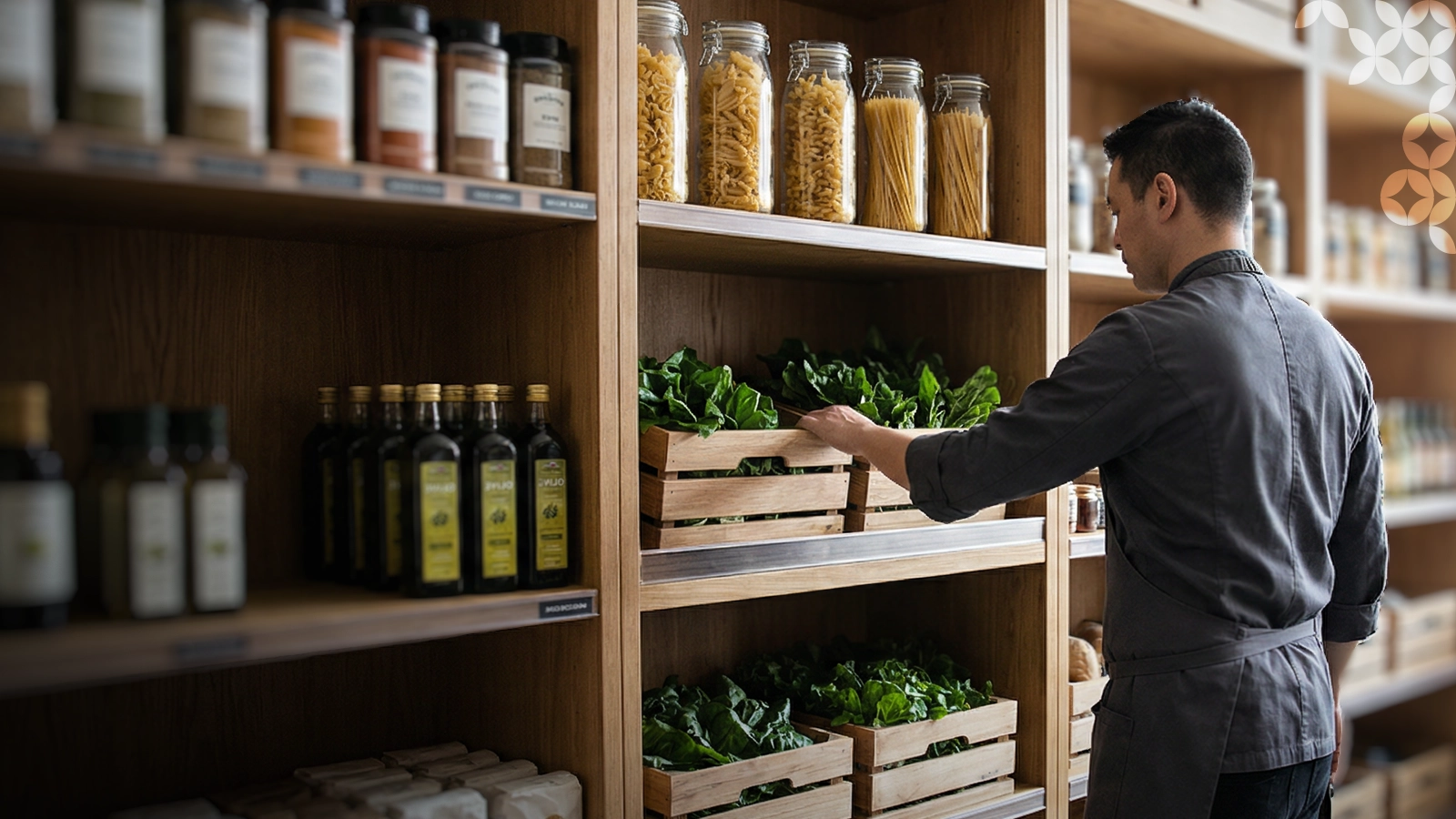
Cooking oil has been seen as a commodity- cheap palm, soybean, and sunflower oils moving in bulk from ports to pantries. But as shoppers grew more aware of fat quality and origin, the market split in two: one focused on affordability and reach, the other on premium and functional benefits. Today, supermarket aisles and online carts in metros brim with options ranging from cold-pressed groundnut and mustard oils to blended olive and avocado oils, and even traditional ghee, now rebranded as a "clean, natural fat."
The global cooking oil market crossed US$ 200 billion in 2023 and continues to grow steadily. In India, edible oil demand tells a bigger story while 57% of domestic needs are still met through imports (mostly palm oil), per-person consumption has surged from about 3.2 kg/year in the 1960s to nearly 20 kg today. Rising demand and import dependence are now pushing companies to innovate on both nutrition and supply security.
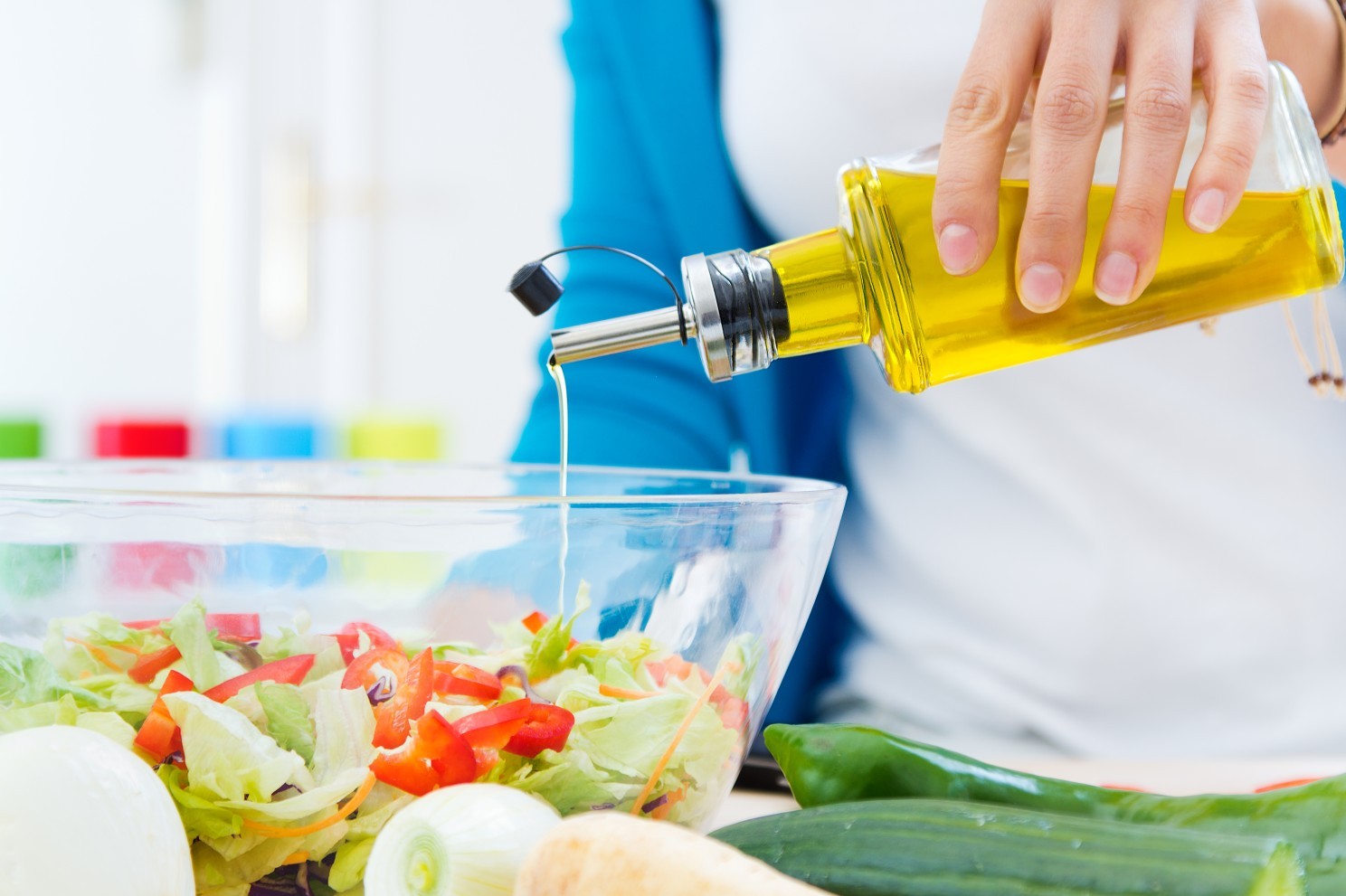 Innovation shows up at every stage. Brands are introducing milder, single-origin, and cold-pressed oils like olive, mustard, groundnut, avocado offering better flavour, higher smoke points, and cleaner labels that consumers are willing to pay more for. Even global players like Fresh Del Monte have entered the avocado oil segment, signalling confidence in these specialty oils.
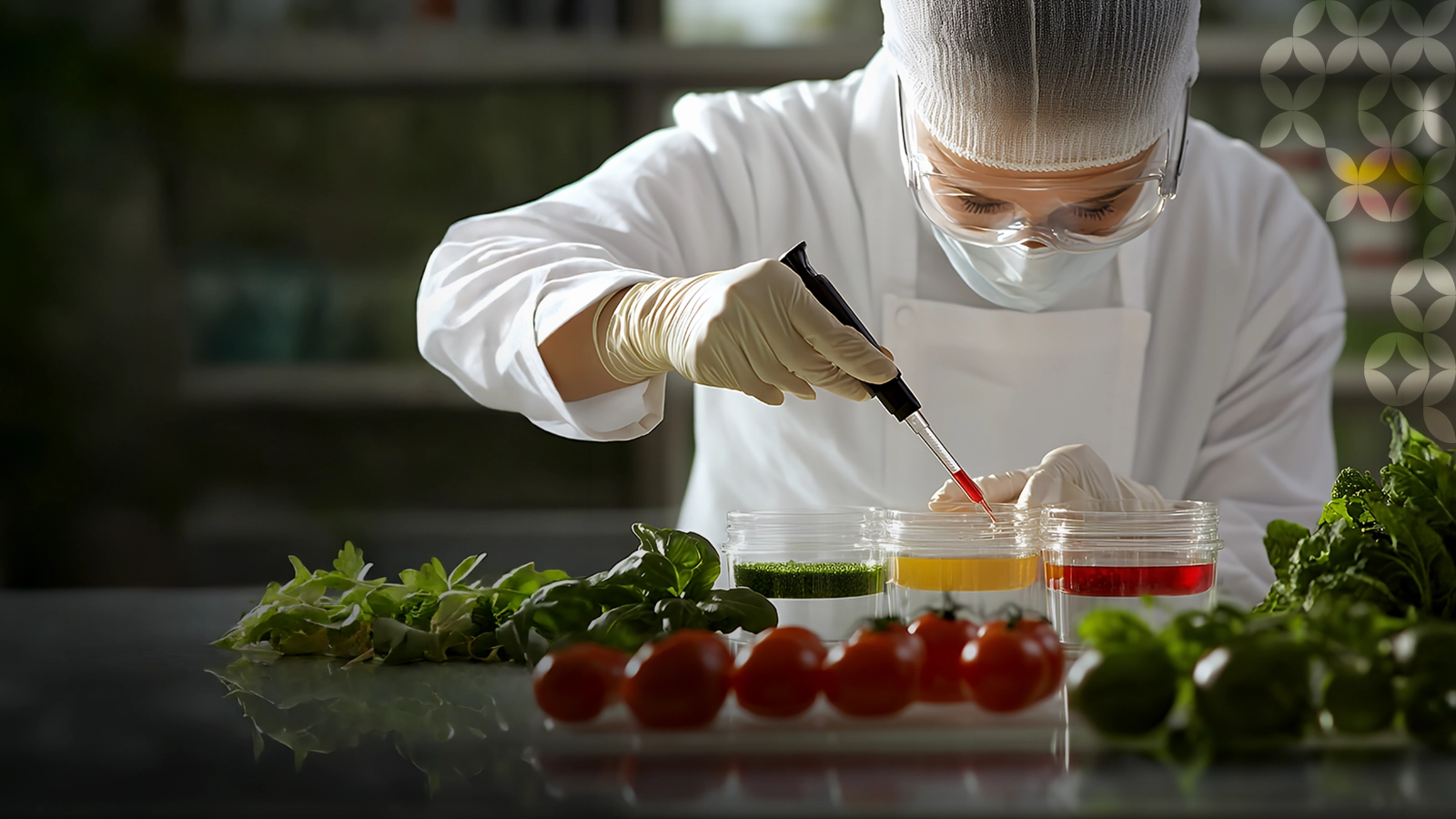
Science is stepping in too. Researchers are using oleogel technology to reduce fat absorption in fried foods or recreate the creamy texture of saturated fats using healthier unsaturated oils. Meanwhile, fortified and functional oils enhanced with vitamin D, omega-3s, and plant sterols are becoming everyday staples. According to Mordor Intelligence, this segment, valued at US$13.4 billion in 2025, is projected to exceed US$16 billion by 2030, driven by families seeking health benefits without changing their cooking routines.
It's no surprise then that the once-uniform oil shelf now looks layered: affordable blends for everyday cooking, fortified options for the health-conscious, and premium cold-pressed bottles for those chasing purity and flavour.
Grains & pulses innovation
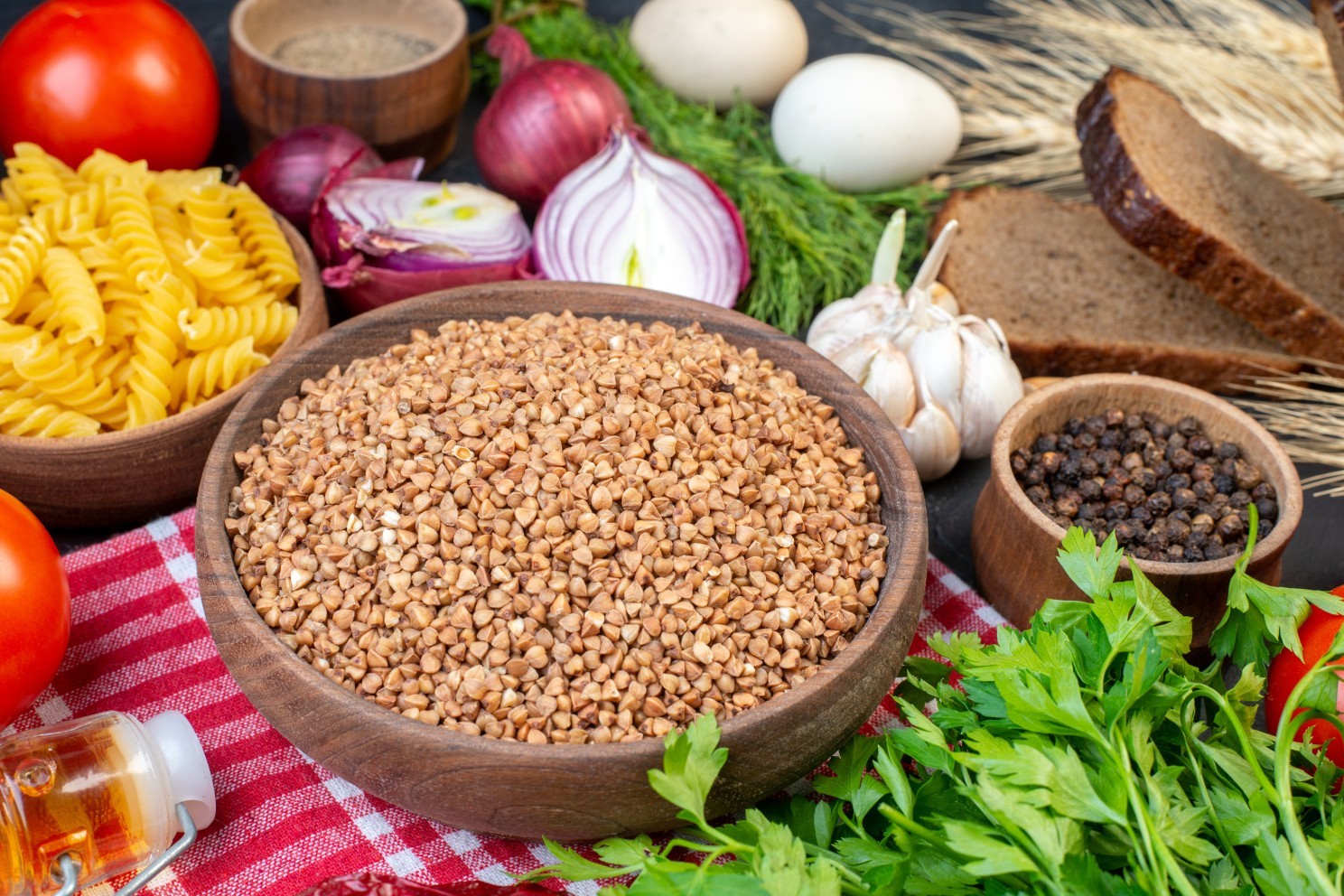
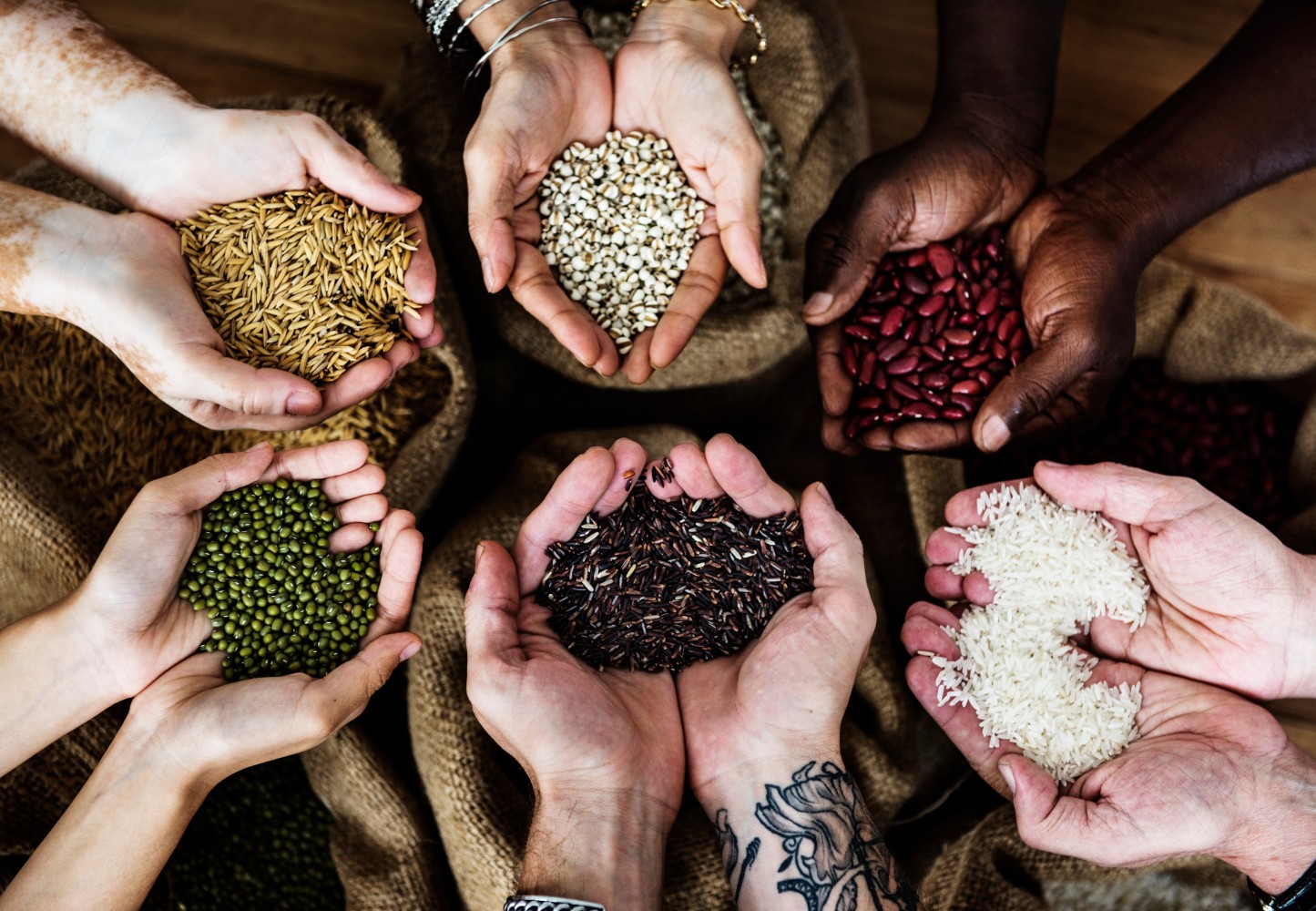
While oils grab headlines for fat reduction, the foundation of many meals that is the grains and pulses are also being re-invented. Hybrid grain technologies (such as high-protein or low-glycemic rye, quinoa blends, millet-based snacks) are gaining traction. In India, for instance, millets are being re-positioned from "poor man's grain" to super-grain status, driven by consumer demand for clean-label, gluten-free or ancient-grain alternatives. Global demand for cleaner ingredient lists, fewer additives, and higher nutritional value is aligned with this shift. For consumers with wheat-sensitivity, gluten avoidance or just wanting the next health-forward cereal or snack, such innovations matter.
 The overall global functional foods market (which includes fortified cereals, high-protein snacks) was estimated at US$ 280.7 billion in 2021 and is projected to reach US$ 586.1 billion by 2030. This growth is driven by rising consumer awareness of health and wellness, the demand for convenient and nutrient-rich foods, and an increase in preventive healthcare, a trend accelerated by the COVID-19 pandemic. Meanwhile, India's functional foods market alone hit around US$ 13 million in 2023 and is forecast to hit US$ 25.3 billion by 2030 (CAGR ~10 %). Several mid-sized firms and start-ups, including some based in Bengaluru, have developed Ready-to-Eat (RTE) millet and lentil-based snacks targeting health-conscious consumers and often command a premium. The pivot cost more (in reformulation and sourcing) but unlocked differentiated growth.
Waste-to-value circular innovation
Innovation isn't just about better starting ingredients, it's about smarter use of what would otherwise be discarded. The food industry across the globe is embracing circular economy models: converting by-products or waste streams (peels, seeds, starch waste, oilseed cakes) into new value-added products or energy.
In India one compelling example came via the ICAR‑CCRI (Central Citrus Research Institute) in Nagpur: they developed innovations turning citrus peel, pulp and seeds (previously largely wasted) into vitamin C-fortified drinks, biscuits, gummies and even edible films for packaging. What does this tell us? Waste is no longer the end of the value chain, it is the start of the next opportunity.
Health + indulgence + sustainability trend
Arguably the sweetest frontier of all: the merging of indulgence with health and sustainability. It's one thing to ask for a carrot stick instead of potato chips; another to ask for a "plant-based, low-sugar, high-protein, sustainably sourced snack" and expect it to taste just as good (or better) than the original. Consumers are gravitating toward products that don't force a trade-off. Data backs this shift: India's health & wellness food and beverage sector reached roughly US$ 10.3 billion in 2021 and is forecast to grow at around 8.8% CAGR between 2021-2026.
One example: plant-based snack launches, low-sugar premium desserts, fortified beverages with natural sweeteners, brands packaging ecological credentials front and centre.
India's opportunity
And here's where the story brings us home. India, with its vast agricultural base, rising middle class, increasing health awareness and government push, is well placed to lead this wave. The Ministry of Food Processing Industries (MoFPI) lists "Processed Food for Nutrition & Health" and "Sustainability and Net-Zero Food Processing" among its focus pillars.
According to industry data, India's food-processing industry was valued at about US$ 336.4 billion in 2023 and is expected to reach US $735.5 billion by 2032 (CAGR ~8.8 %). The health-and-wellness food & beverage market growth, the functional foods rise, the circular economy pushâ€â€all converge to create a fertile innovation ecosystem.
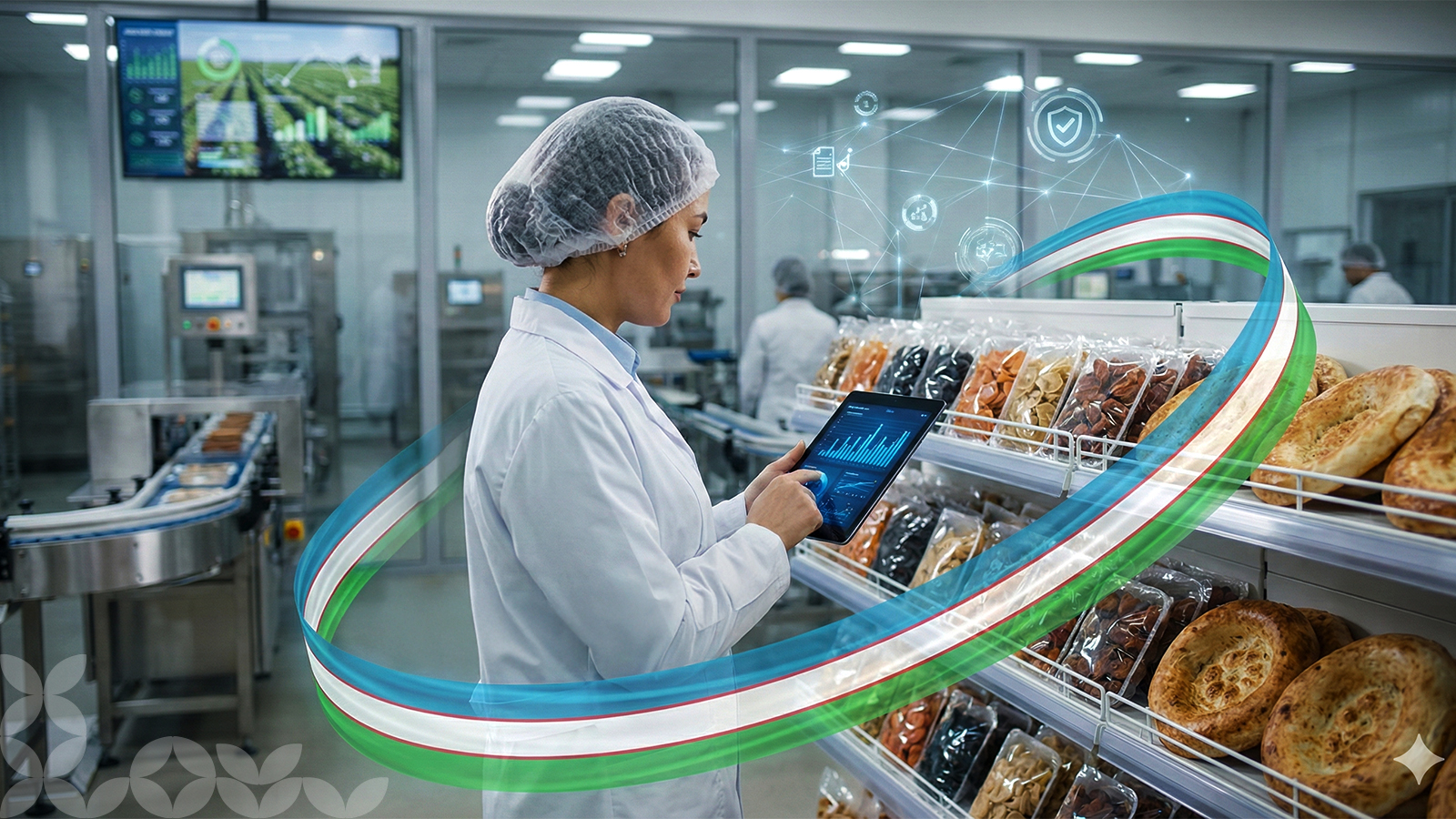
 A start-up in Pune specialising in millet-based snack bars secured investment because it too combined traditional Indian grain + clean label + functional protein + fibre + export orientation. India's exports of processed food, the policy incentives under the Production-Linked Incentive (PLI) scheme, the emergence of mega food parks. It all signals a mounting opportunity. Simply put: India is no longer just a sourcing base but it is becoming a creator of next-gen food solutions.
Innovation rooted in health, sustainability, and indulgence is no longer a niche, it's the driving force behind the global food industry's next wave of growth. From oils that promise lighter cooking to millet-lentil snacks that pack nutrition and crunch, and companies turning fruit peels or grain husks into something valuable again, the change is both real and inspiring.
For food companies, the motive should be clear: price alone doesn't win anymore. Consumers want trust and to know the source of their food, what's in it, and why it's good for them. Brands that blend health, honesty, and flavour are the ones finding a permanent place in modern kitchens.
With a thriving network of start-ups, research labs, and global partnerships, India is keeping up with global trends and also setting them. As the world looks for the next leap in food innovation, Indusfood stands at the center of that movement, a place where ideas meet action, where taste meets technology, and where the future of food isn't imagined, it's served.
LATEST RELEASE