January 8-10, 2027
 Greater Noida, India




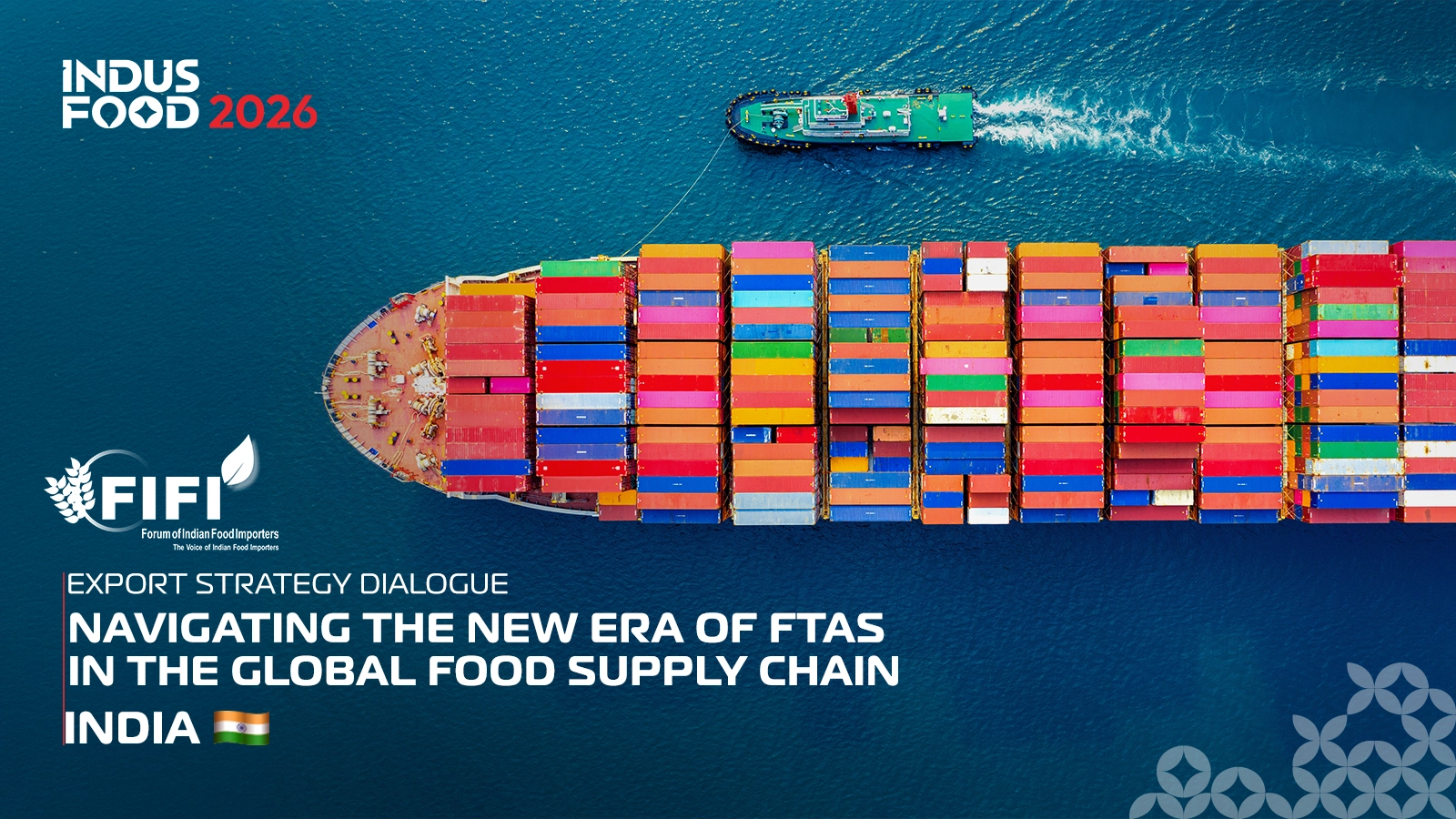
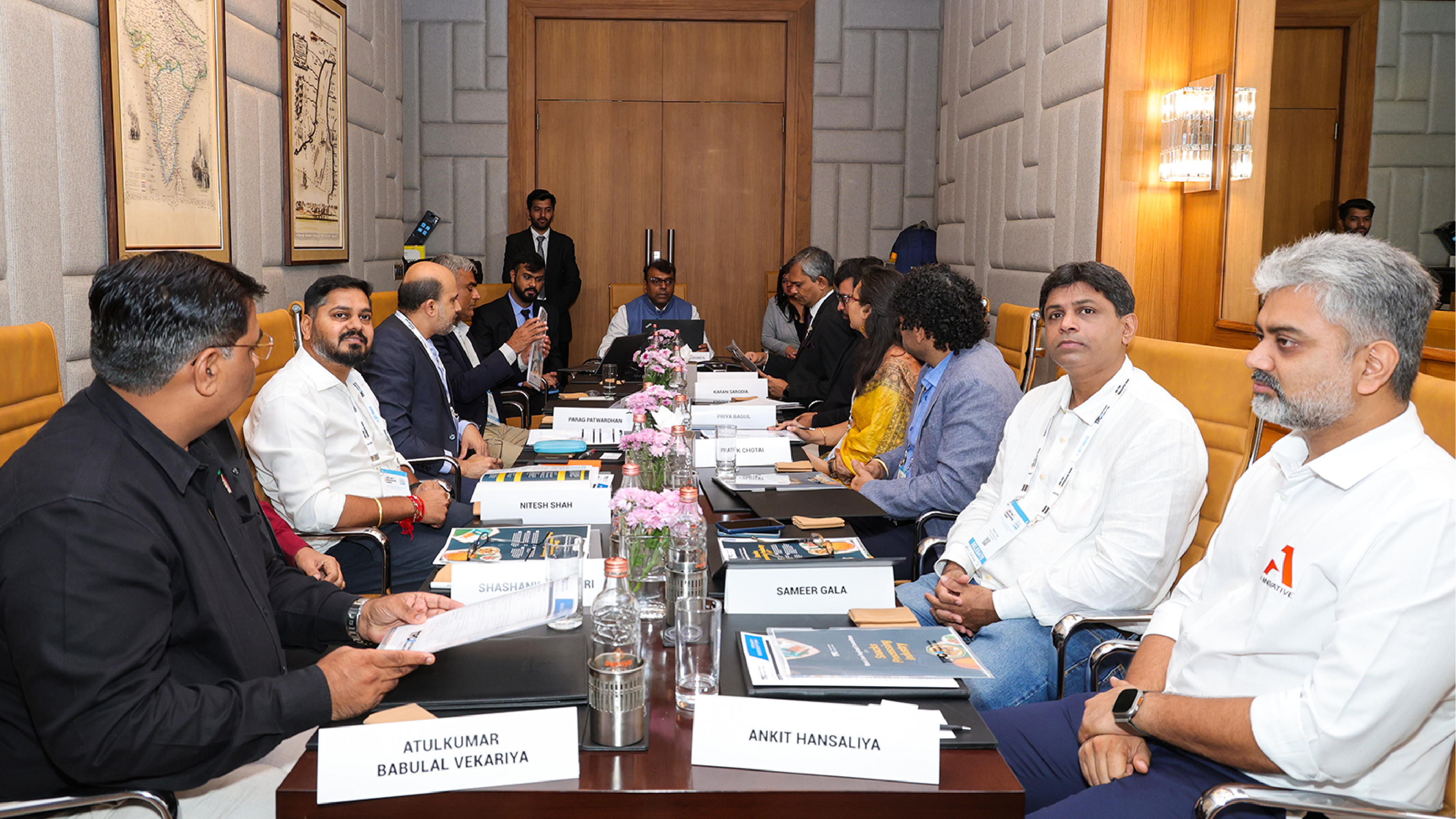
As global food trade enters a new phase shaped by evolving Free Trade Agreements (FTAs), Indusfood, in collaboration with the Forum of Indian Food Importers (FIFI), convenes an exclusive Export Strategy Dialogue to examine how these agreements are redefining market access and competitiveness in the food sector.
The session sets the context for understanding how modern FTAs—extending beyond tariffs to regulations, standards, and supply chains—are creating new export opportunities for the Indian food industry.
In an increasingly interconnected global economy, Free Trade Agreements (FTAs) have emerged as powerful instruments reshaping the food supply chain. Beyond reducing tariffs, modern FTAs address non-tariff barriers, strengthen regulatory cooperation, enhance food security, and create new market access for agricultural and food producers. For India—one of the world's leading agri-food economies—this new generation of FTAs presents a strategic opportunity to accelerate exports, diversify markets, and integrate more deeply into global value chains.
Recognising this shift, Indusfood, in collaboration with the Forum of Indian Food Importers (FIFI), is organising an exclusive Export Strategy Dialogue on the theme "Harvesting Opportunities: Navigating the New Era of FTAs in the Global Food Supply Chain." The dialogue examines how evolving trade agreements are transforming food trade dynamics and unlocking new export pathways for the Indian food industry.
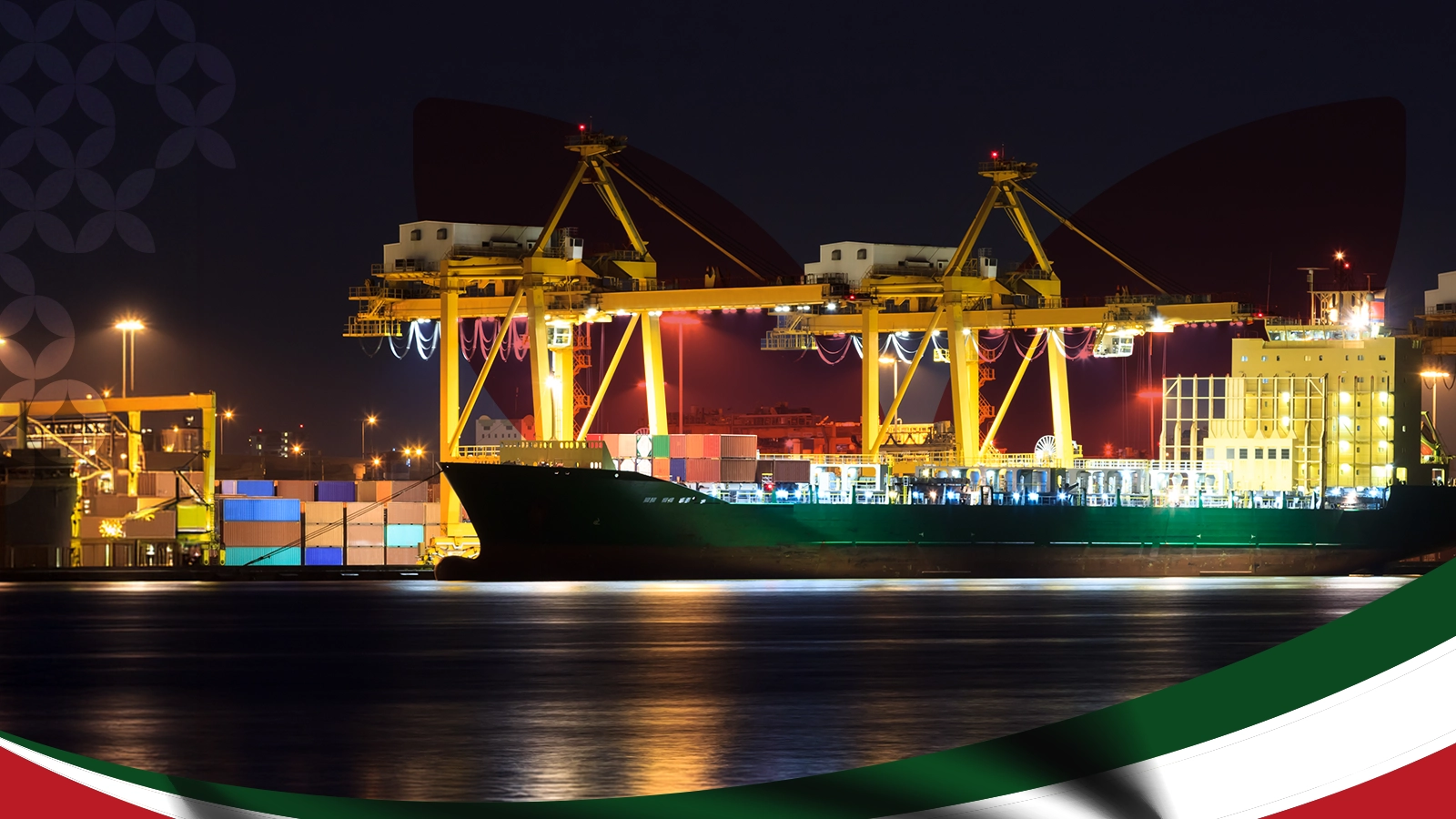
Driven by population growth, rising incomes in emerging economies, and increasing demand for processed and convenience foods, global F&B imports expanded to US$ 1.9 trillion in 2024, registering a 5-year CAGR of 6.4% (ITC Trade Map). Parallelly, India's total F&B trade increased to US$ 46.1 billion in 2024, achieving a 5-year CAGR of 7.4%. This expansion has been supported by improved agricultural productivity, rising food processing capacity, and strong international demand for Indian products such as rice, spices, marine products, processed foods, and ready-to-eat offerings. But India's share in global food trade remains relatively modest—signalling significant untapped export potential.
In this context, FTAs can provide a decisive boost. Today's FTAs extend well beyond tariff liberalisation to include critical provisions on sanitary and phytosanitary (SPS) measures, technical regulations, customs facilitation, and investment cooperation. For the food sector, these elements are especially important, as regulatory compliance and border efficiency often matter as much as price competitiveness.
For Indian food exporters, FTAs deliver three core strategic advantages. First, tariff reductions enhance competitiveness in price-sensitive markets. Second, regulatory cooperation improves predictability, lowers compliance costs, and reduces trade friction. Third, FTAs facilitate market diversification, helping exporters reduce reliance on a limited set of destinations and manage external shocks more effectively.
India has recalibrated its trade strategy in recent years, prioritising high-quality FTAs with major consumption markets such as the UAE, Australia, EFTA region, the UK, Oman, and New Zealand. In addition, India is negotiating or exploring agreements with New Zealand, the Eurasian Economic Union (EAEU), Peru, and Chile, signalling a broader push to expand its trade architecture beyond traditional partners. These agreements—particularly with developed markets—reflect a shift toward sophisticated, rules-based frameworks aligned with global buyer expectations and stringent standards.
However, leveraging FTAs effectively requires more than preferential access. Export success will depend on strong quality and compliance readiness, especially as developed markets enforce rigorous food safety, labelling, traceability, and sustainability norms. Indian exporters must invest in certifications, process upgrades, cold-chain infrastructure, and digital traceability systems to meet these requirements.
As global demand increasingly shifts toward processed, fortified, organic, and convenience foods, India must move beyond commodity-centric exports. Its strengths in food processing, traditional ingredients, and cost-efficient manufacturing offer a strong foundation to capture higher value in international markets.
FTAs also open significant opportunities for MSMEs, which form the backbone of India's food industry. With targeted institutional support, capacity building, and improved access to export finance, MSMEs can integrate into global supply chains and benefit from preferential market access.
Against this backdrop, the Export Strategy Dialogue at Indusfood, organised with FIFI, offers a timely platform for policymakers, industry leaders, and exporters to decode the evolving FTA landscape. The session will provide practical insights on navigating new trade agreements, strengthening export readiness, and positioning Indian food products competitively in global markets.
Export Strategy Dialogue - Harvesting Opportunities: Navigating the New Era of FTAs in the Global Food Supply Chain - is scheduled for 1545-1630 hrs on January 8, 2026 at Innovation Stage, Hall 11. For more details, click https://shorturl.at/YYOFc
Indusfood 2026 is open to trade visitors. To register your entry, click https://shorturl.at/J8ZOb
LATEST RELEASE