January 8-10, 2027
 Greater Noida, India




For a nation stitched together by its strong, sweet chai, India's tea culture is quietly turning a new leaf. Health-focused consumers, innovative blends, and digital-first start-ups are giving tea a fresh purpose. Here's how a familiar ritual is transforming into a modern wellness movement.
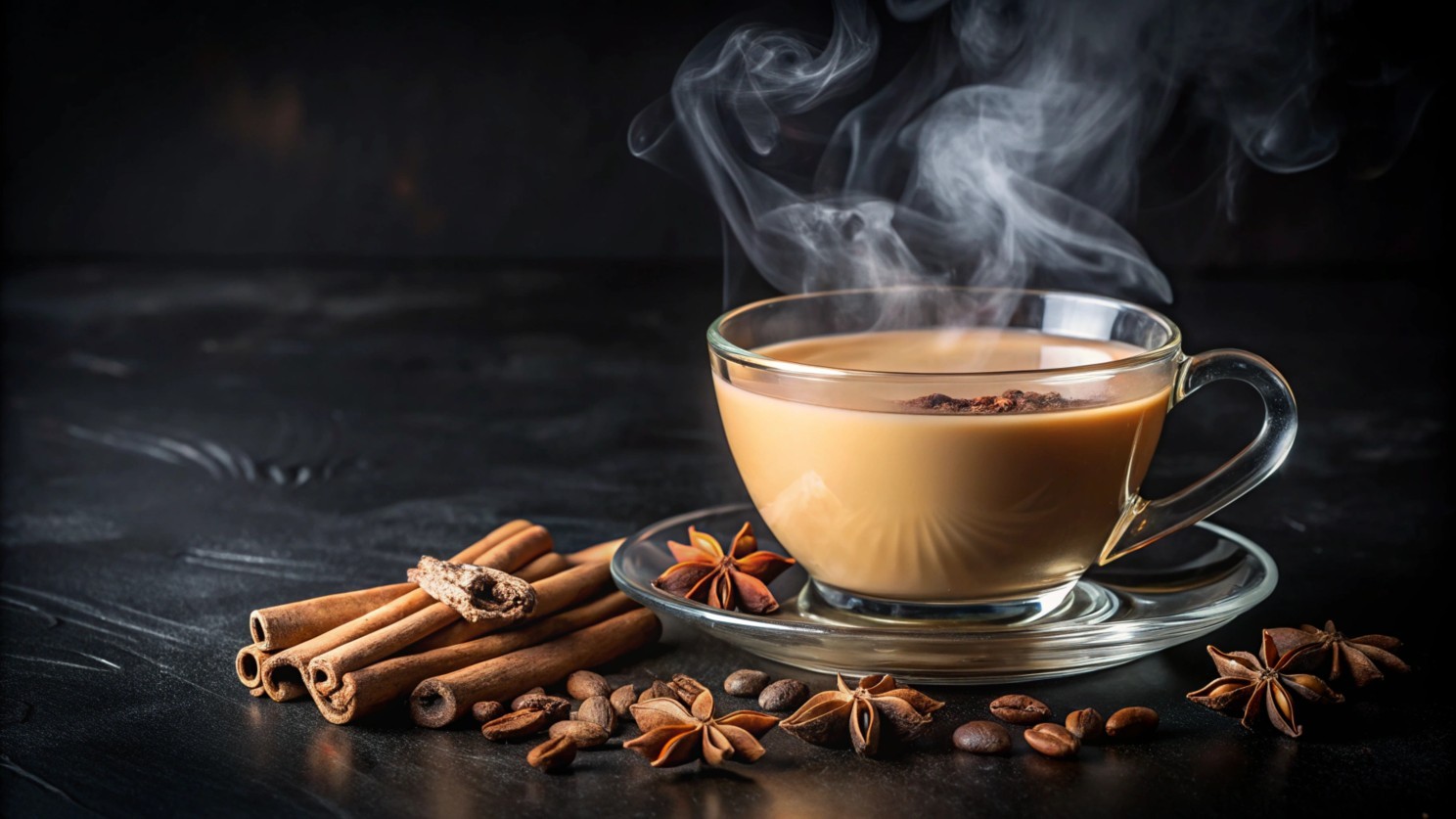 India, a nation fuelled by its strong, sweet, milky "cutting chai," is now witnessing a gentle upheaval in its teacup. For generations, tea has been a cultural constant and a source of comfort, connection, and caffeine. Traditionally brewed with milk, sugar, and spices, it has long been more ritual than beverage.
But the dominance of this milky chai is beginning to shift. A new, health-conscious generation is redefining tea as a functional wellness drink rather than just a daily indulgence. The change isn't about tweaking flavours; it's a market-driven move to align with modern demands for low-sugar, dairy-free, and purpose-driven ingredients. Today's consumersâ€â€mindful, globalized, and shaped by post-pandemic awarenessâ€â€want every sip to offer clarity, not calories.
This evolving space has opened opportunities for innovative specialty blends that compete on value, not price. These products elevate tea from a simple morning boost to a mindful wellness ritual, often drawing on Ayurvedic principles and positioning tea as a tool for long-term resilience.
Meanwhile, India continues to strengthen its global footprint. In 2024, the country emerged as the world's third-largest tea exporter, surpassing Sri Lanka by shipping 254.7 million kg, up from 231.69 million kg in 2023. Strong demand from the UAE, Iraq, and Russia pushed export earnings to ₹71.11 billion, compared with ₹61.6 billion the year before, according to the International Tea Committee Bulletin.
Innovation at the Cross-Section of Knowledge and Market
The ingenuity driving this new tea segment lies in a deep dive into indigenous knowledge, authenticated by clear market growth. Instead of relying solely on exotic imports, the focus is on promoting native herbs that have sat in Indian kitchens for centuries, now presented in sophisticated, functional blends and numerous health benefits.
This shift is occurring within a massive, expanding industry. The overall Indian tea market was valued at approximately US$ 11.72 billion in 2024 and is expected to reach over US$ 15 billion by 2030, showing stable and robust growth. Crucially, the real story is in the specialty segments. The Indian herbal tea market alone is forecast to grow at an exceptional CAGR of over 13% through 2033, a rate significantly outpacing the general market. This reflects the rapid consumer migration toward high-value wellness products.
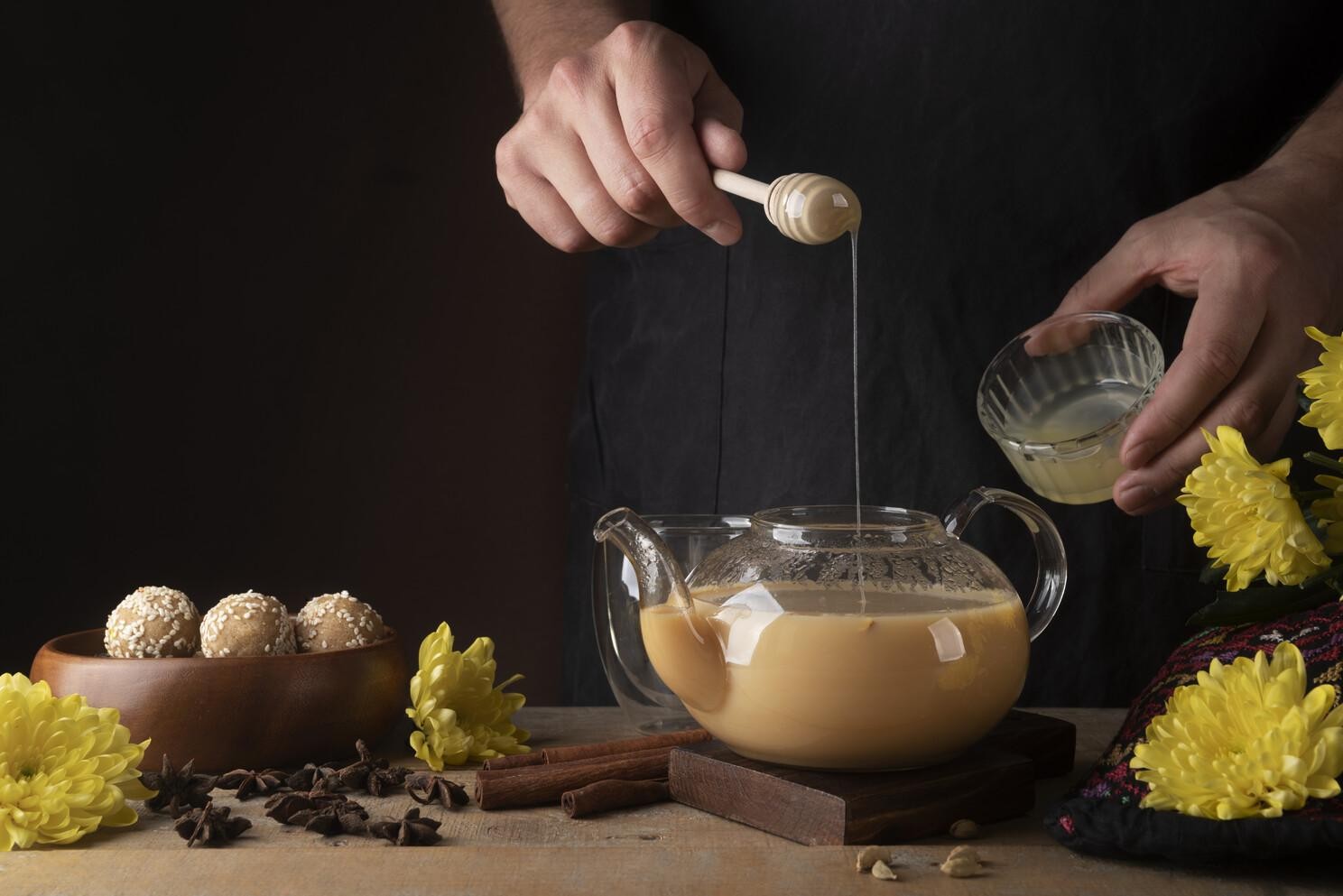 This robust domestic demand is fuelled by the conscious integration of potent, native botanicals into daily brews. Ingredients like Ashwagandha, known for its adaptogenic, stress-relieving properties, or the vibrant blue petals of the Aparajita (Blue Pea) flower, rich in antioxidants, are no longer confined to traditional remedies. They are being carefully blended with high-quality, single-origin base teas to create functional infusions designed to address specific needs, be it better sleep, detox, or immunity boosting.
Global palates turning to India
Crucially, this domestic innovation is driving a resurgence in India's global standing as a specialty exporter. The world is taking notice of this blend of quality and functionality.
While India is among the top five tea exporters globally, accounting for about 10% of world exports, recent data shows a clear upward trajectory in volume and value, driven by demand for high-quality, specialized products. The move toward Direct-to-Consumer (D2C) online models has been instrumental, allowing smaller, quality-focused ventures to bypass traditional bulk channels and directly access global consumers seeking quality and provenance.
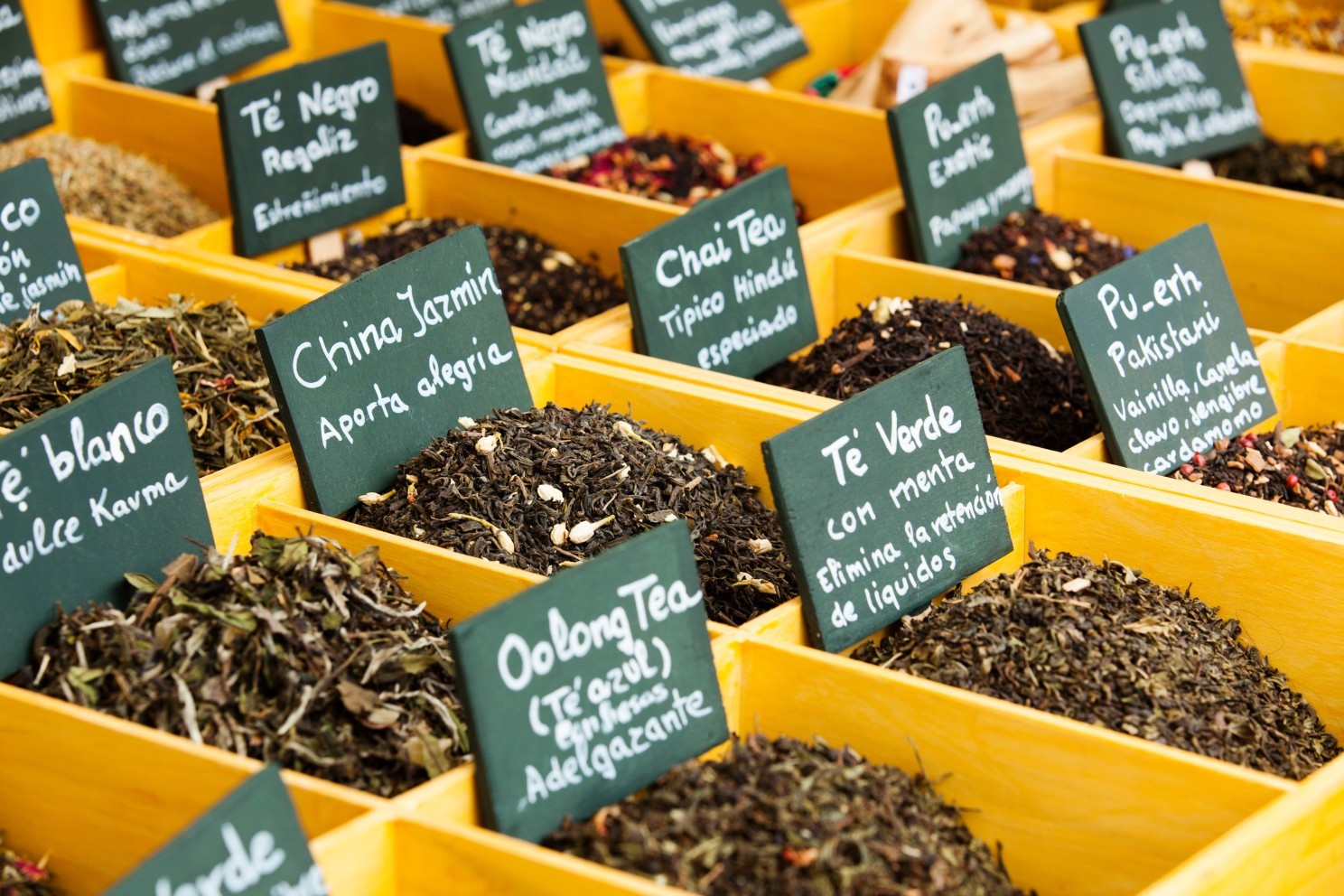 This D2C infrastructure drives a much-needed conversation around ingredient transparency and sourcing ethics. By often working directly with small farms, this supply chain innovationâ€â€which is not merely a logistical choiceâ€â€serves as a commitment to quality control and freshness that traditional retail chains often struggle to maintain. This approach allows these specialized players to control the narrativeâ€â€to tell the story of the leaf from the soil to the cup, a crucial differentiator for the conscious global consumer willing to pay a premium for traceability and tested wellness benefits.
The clear growth in both domestic demand and export price realization confirms that Indian tea is no longer just a source of commodity volume; it is increasingly becoming a global source of functional, high-value wellness blends.
The digital edge and the road ahead
The D2C model is the structural innovation pushing this revolution towards growth. The rise of digital channels has allowed smaller, specialized ventures to thrive outside the traditional grocery store ecosystem, bypassing the high entry barriers of brick-and-mortar retail and, more importantly, educating the consumer.
The biggest challenge facing the specialty market is not product development but consumer education. A customer accustomed to a Rs. 10 cup of roadside chai needs to understand the value proposition of a premium infusion - how to brew it, what its benefits are, and why it costs more. The D2C platform allows brands to share detailed sourcing stories, offer personalized subscription models, and host educational content, turning a simple purchase into an experiential journey. This digital intimacy is a structural business advantage that large, mass-market players find difficult to replicate.
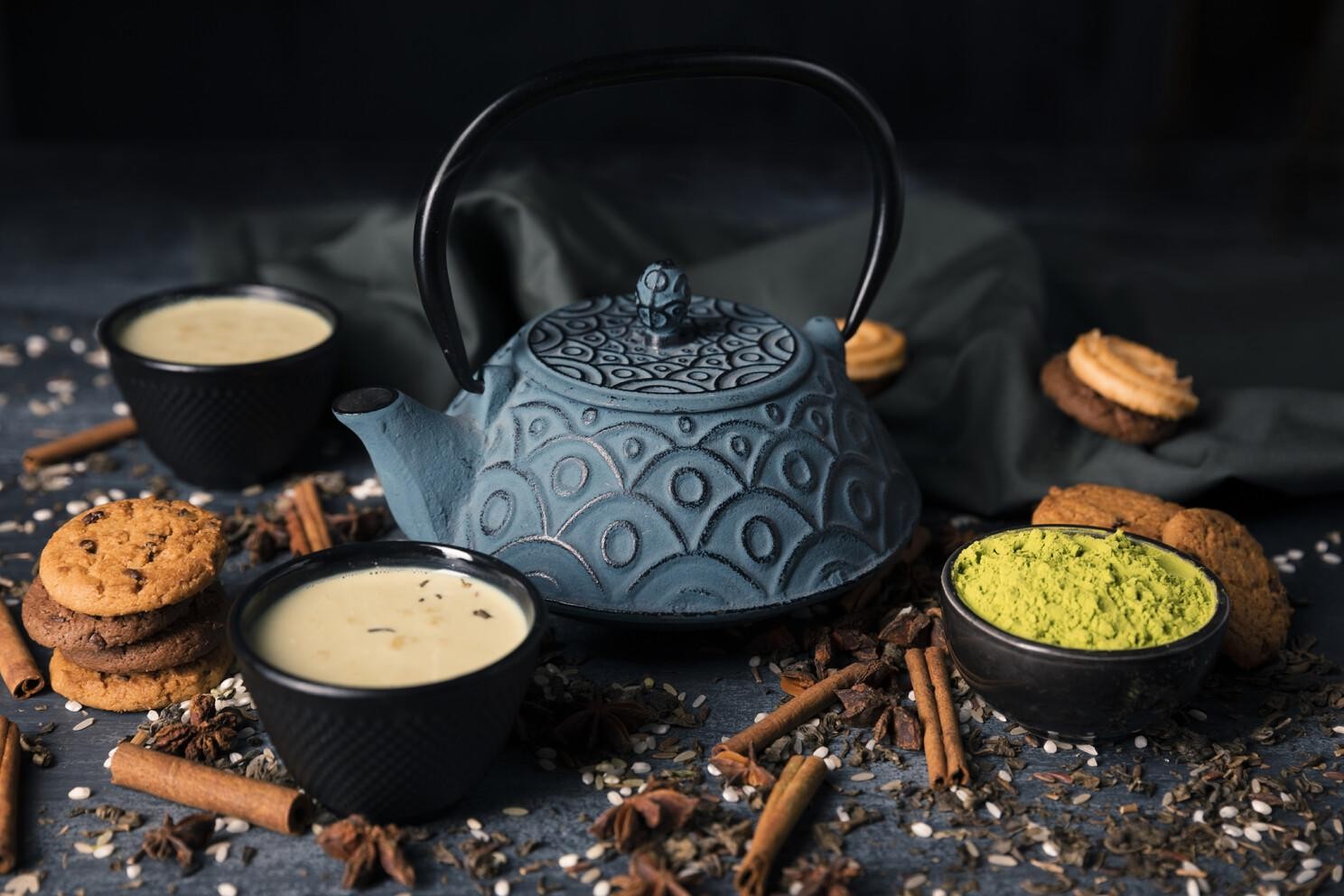 Tea is now being associated with health, wellness, and gifting, with rising demand for gourmet varieties like Moroccan mint tea, Kashmiri Kahwa, and Darjeeling tea. Some major tea brands in the country include- Tata Tea, HUL (Brooke Bond & Lipton), Wagh Bakri Tea, Vahdam Teas, Girnar Tea, Teabox, and Society Tea.
The success of players like Vahdam India, who found global celebrity traction with their Turmeric Spiced and herbal blends, and Teabox, which revolutionized the supply chain to deliver freshness across the globe, serves as compelling evidence of this model's potential. These companies have demonstrated that by focusing on quality, transparency, and high-value functionality, premium Indian teas can command international attention and a healthier bottom line. Furthermore, the impressive revenue growth reported by D2C-focused retail chains like Chai Point in the organized tea space confirms that urban, conscious consumers are willing to spend more for a consistent, hygienic, and health-aligned tea experience.
Will Indians resort to the old milk tea?
While the future looks bright, the journey is not without hurdles. The first major challenge is maintaining quality at scale. As artisanal, small-batch operations expand, the pressure to standardize ingredients and cut costs can compromise the very quality and unique taste that built the brand's initial reputation. Furthermore, these specialty teas are entering a highly price-sensitive market. Overcoming the ingrained habit of lower-cost tea requires continuous consumer education and justification of the premium price point.
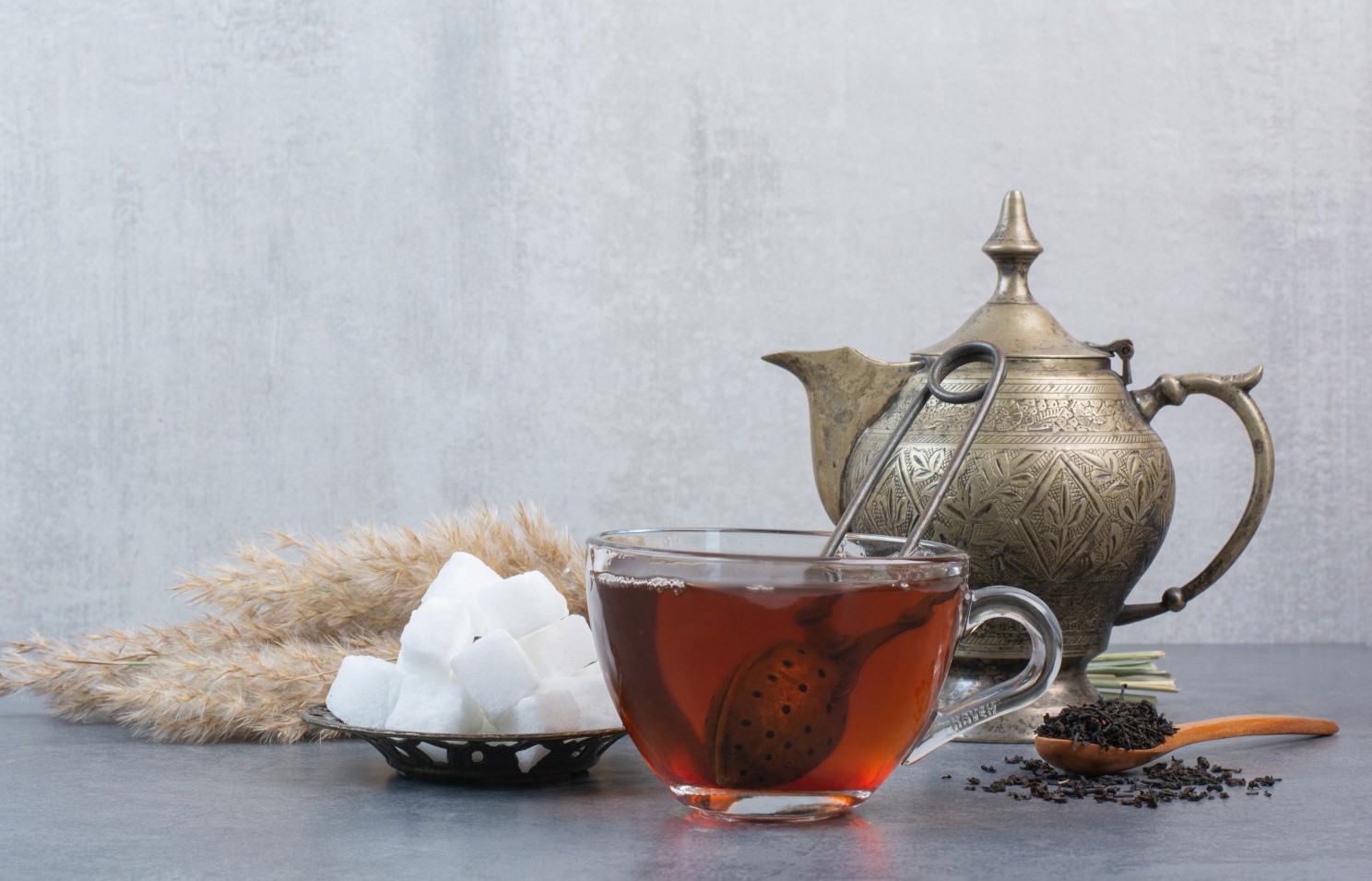 Ultimately, the healthy tea wave is more than just a passing trend in the beverage market. It is a powerful cultural indicator of an Indian that is looking inward for health and wellness solutions which blends ancient wisdom with modern entrepreneurial agility. By moving beyond the comfort of the 'cutting chai', the industry is offering a healthier, more mindful way to engage with one of the world's oldest and most loved beverages.
The question now for the industry is not whether this trend will last, but what comes next. Will innovation continue to focus on hyper-functional tisanes and niche blends, or will the pendulum swing back, forcing new players to focus on innovating the traditional milky chai itself perhaps with healthier dairy-free bases and natural sweeteners to keep the majority market engaged?
How is Indusfood brewing success for India's tea industry?
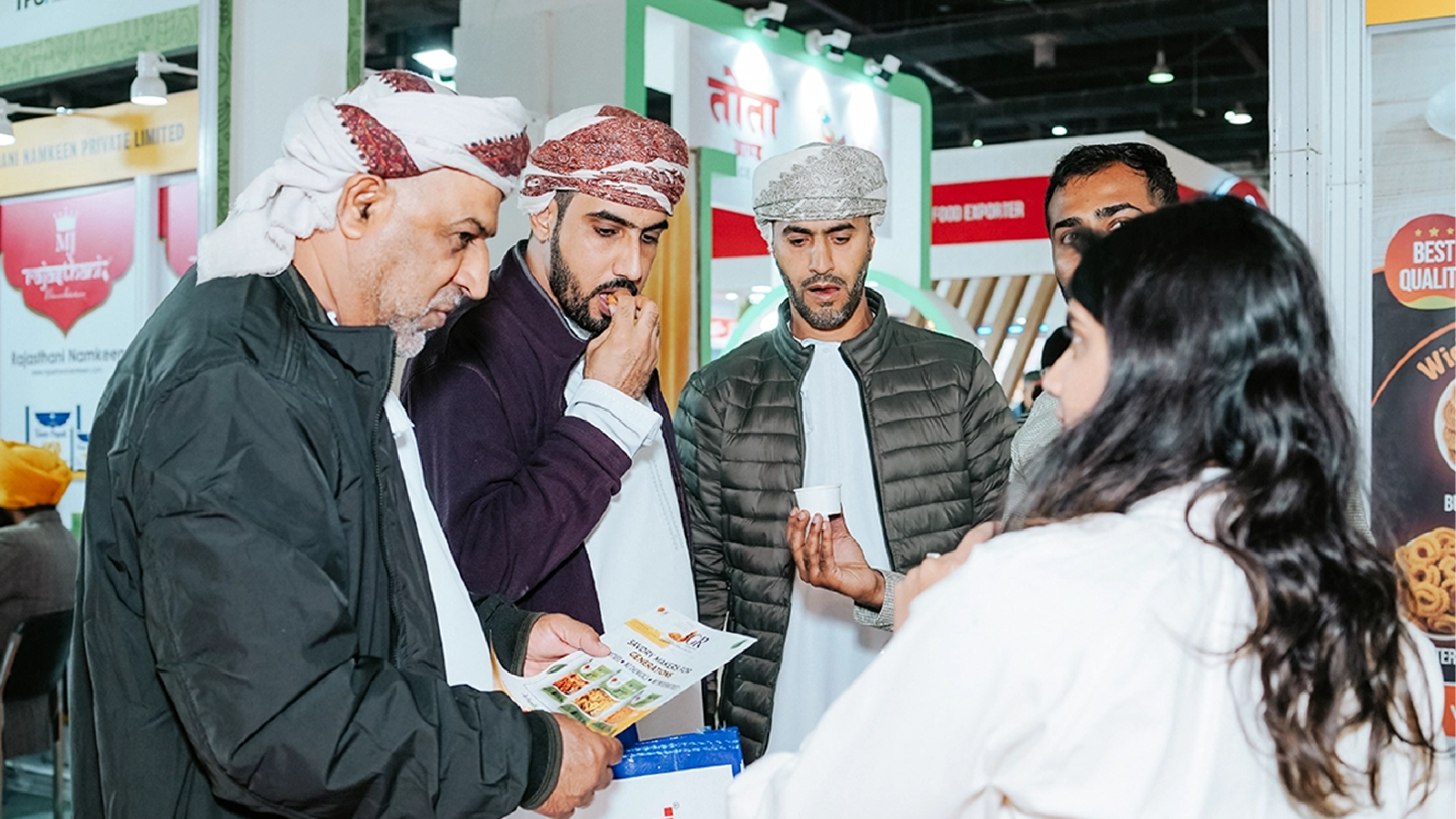
Indusfood is steeping India's tea story in global flavour. By connecting premium Indian tea exporters with international buyers, Indusfood opens doors to new markets and high-value trade deals. It's not just a trade showâ€â€it's a global tasting room where India's finest brews charm the world. From Assam's bold blends to Darjeeling's delicate notes, Indusfood helps position Indian tea as both a cultural ambassador and a global commodity.
LATEST RELEASE